
We often think of cruise lines as what they currently are, but many of them have continuously evolved their market positioning through time. Cunard is no exception to that. I thought it would be interesting to reflect on the state of Cunard in the 1990s.
At the turn of the 1990s, Cunard was a part of Trafalgar House, a British conglomerate which also operated in the property and construction industries.
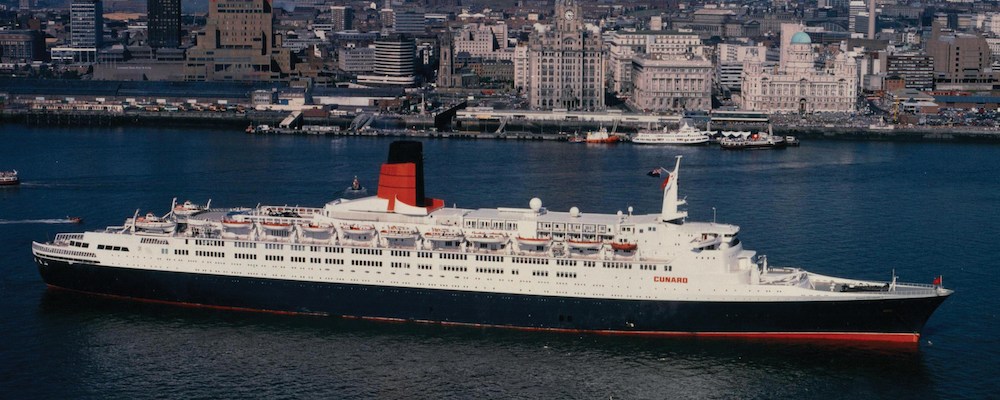
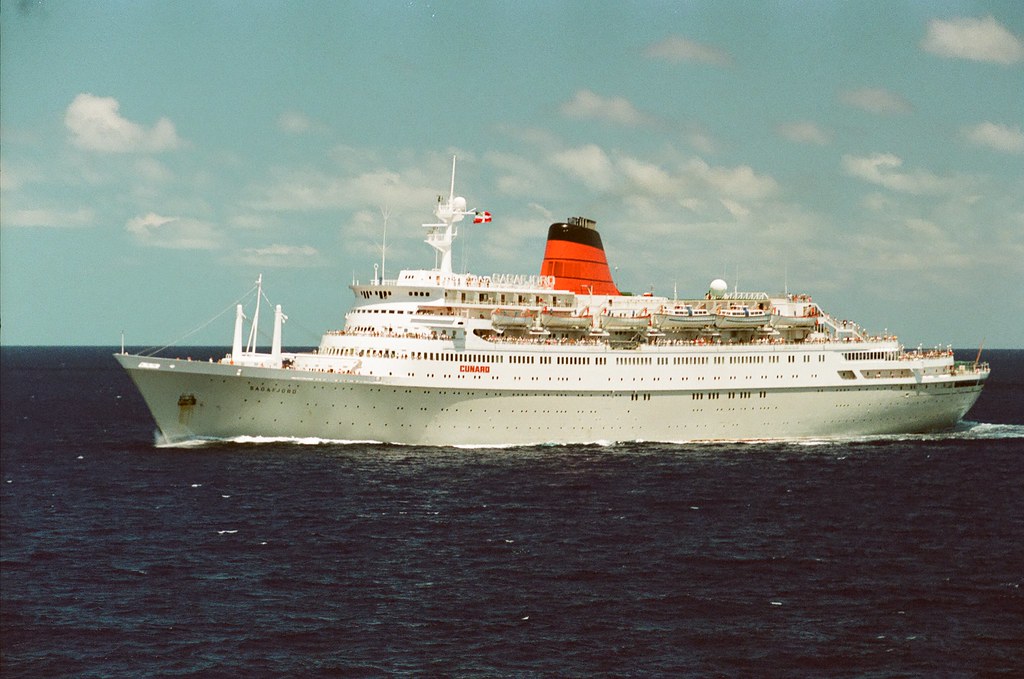
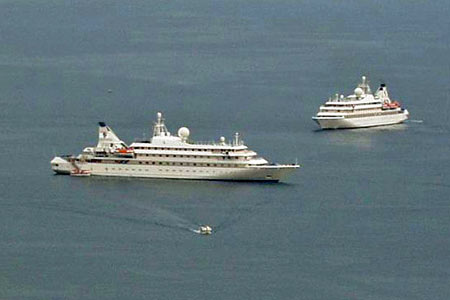
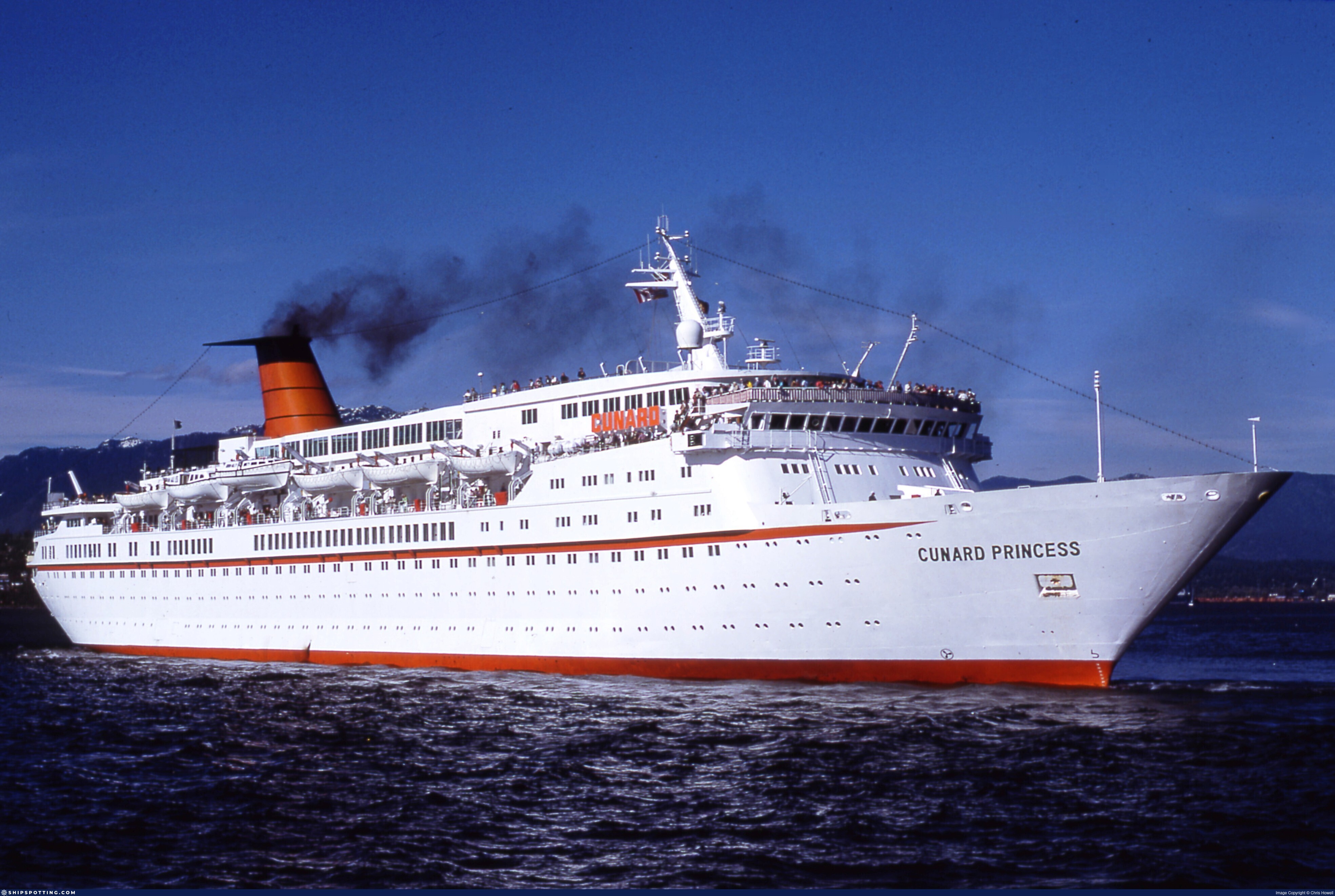
As we entered the decade, the fleet was made up of the famous Queen Elizabeth 2 (QE2) as well as Vistafjord and Sagafjord acquired from Norwegian American Line in 1983, additionally, Cunard Countess and Cunard Princess offered a more mass market level of cruising under the Cunard brand. As the halo product of the Cunard Brand were Sea Goddess 1 & 2 was acquired in 1987 after financial troubles at their original operator; today they make up the SeaDream Yacht Club fleet.
Cunard retained its cargo shipping operation, which was expanded with the acquisition of Ellerman Line in 1987, until the business was disposed of to Andrew Weir Shipping Group in 1991. The con-ro ship Atlantic Conveyor remained in Cunard ownership until 1996, a legacy of Cunard’s investment in Atlantic Container Line (ACL).
Cunard also had its own land-based resorts business, with a variety of hotels and resorts including The Ritz in the London, and the Watergate in Washington, operating under the Cunard Hotels & Resorts banner.
The decade got off to a bad start for the QE2, which hit the bottom in 1992, putting a hole in the ship and leading to the passengers being evacuated and the ship taken out of service to be repaired.
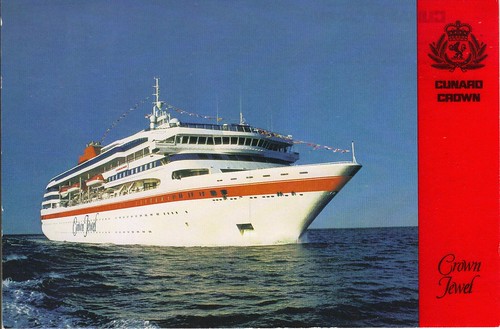
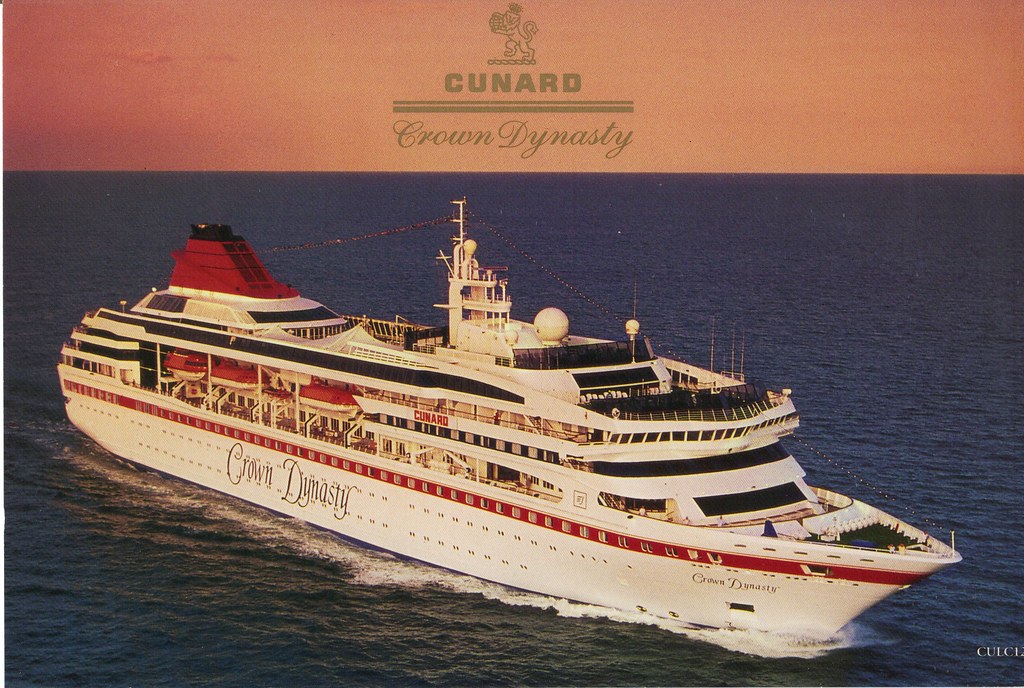
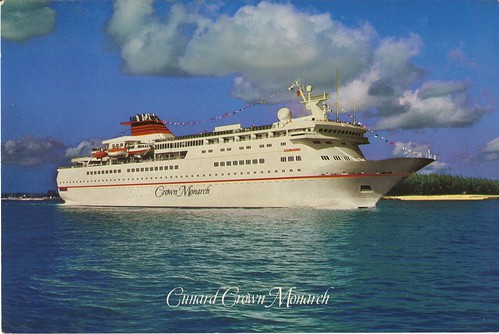
The early 90s were a time of consolidation in the cruise industry and Trafalgar House was keen for Cunard to be part of it, in 1993 Cunard expanded into river cruising with a marketing agreement for Peter Deilmann’s river cruise ships. Also in 1993 the company worked with Effjohn to market its Crown cruise line as Cunard Crown, a premium cruise product of two new ships, Crown Dynasty and Crown Jewel, as well as a much smaller Crown Monarch.
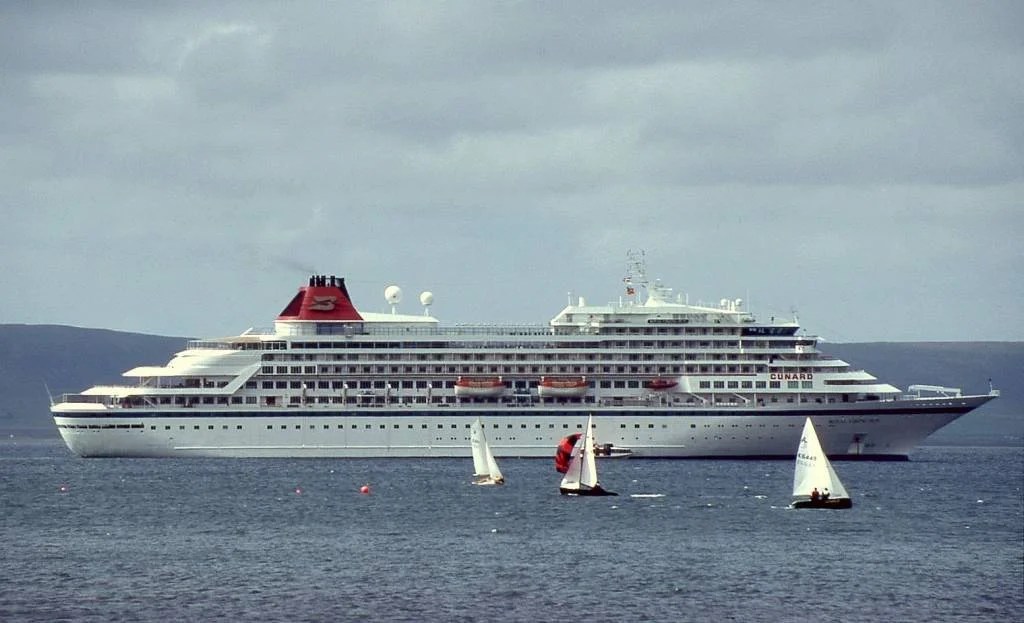
Norwegian Cruise Line’s parent company Kloster Cruise was struggling in the early 90’s too, Cunard seized the moment and acquired the Royal Viking Line brand and with it Royal Viking Sun in 1994. Royal Viking Sun, at the time, was one of the best-rated cruise ships in the world.
1994 was particularly bad for the line as the QE2 was rushed back into service after a refurbishment and caused cancelled cruises and a PR nightmare as the ship was nowhere near ready.
It was becoming obvious that Cunard was stretching its brand perhaps too wide. In 1995 Cunard Princess was sold to MSC, becoming Rhapsody. Cunard Countess was sold in 1996. The Cunard Crown brand was wound down, with Cunard Crown Monarch leaving the fleet in 1994, followed by Cunard Crown Jewel in 1995 going to Star Cruises and finally Cunard Crown Dynasty in 1997 to Majesty Cruise Line. The hotels and resorts also closed or were sold throughout the early 1990s, with the final one sold in 1995.
Hit by the early 90s recession in its construction and property businesses Trafalgar House, as well as profit warnings. The group struggled into the mid 90’s, it was snapped up by Kvaerner in 1996, a Norwegian shipbuilding and engineering group. Kvaerner set about putting Cunard onto a new ownership track and began to prepare the line for sale.
In 1996 Sagafjord was chartered to Transocean Cruises and in 1997 she was sold to Saga Shipping, becoming the British over 50s cruise ship Saga Rose.
In 1998 Carnival Corporation acquired a 62% share of the company for $ 425 million, and in 1999 acquired the remaining 38% for $ 205 million, however, they later sued Kvaerner for the poor condition of the fleet for $ 50 million. Cunard was merged with Seabourn Cruise Line in 1998 and the head office was relocated from New York to Miami, integrating both brands into the Carnival structure.
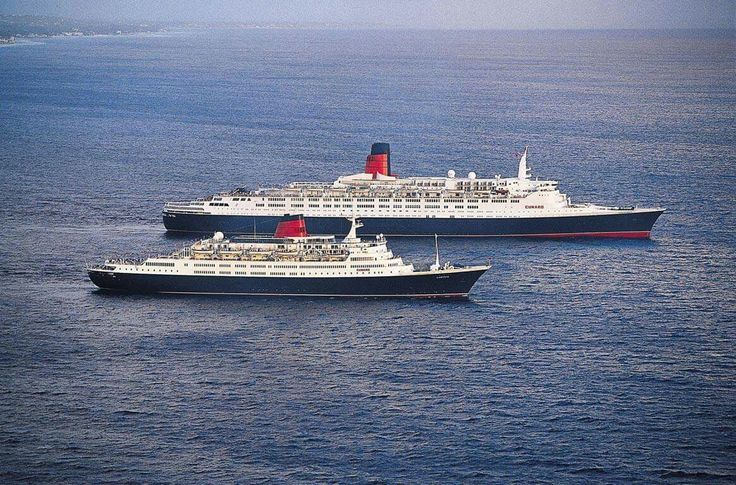
Carnival’s ownership saw rapid changes to the fleet, the QE2 undertook a refurbishment and Vistafjord was refurbished and renamed as Caronia returning to service in 1999 at a naming ceremony held in Liverpool. Royal Viking Sun was transferred first to Seabourn as the Seabourn Sun and later to Holland America Line as Prinsendam. The Sea Goddess fleet was also transferred to Seabourn in 1998 before being sold off in 2001 to SeaDream Yacht Club.
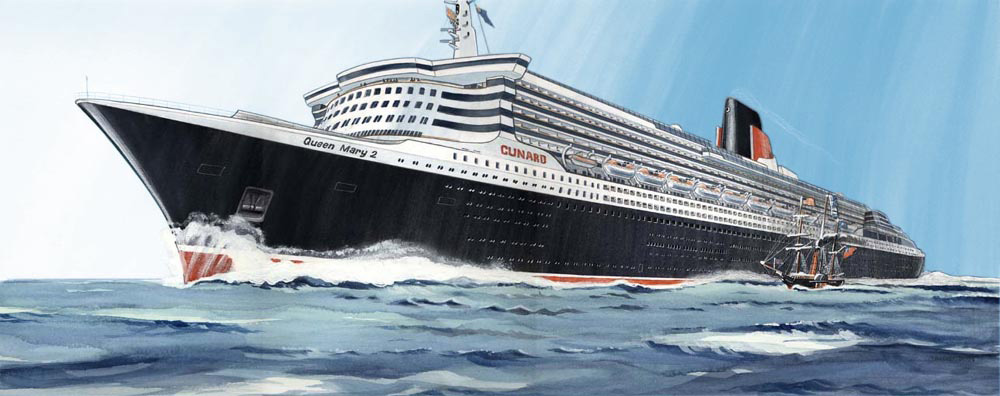
Under Carnival the company began building its renaissance, riding on the back of the success of the 1997 hit movie, the Queen Mary 2 project was announced in 1998. This ship would set Cunard’s direction for the future.
Thanks for taking the time to read this article, did you cruise on Cunard during the 1990s? Please share you stories in the comments below.
Thanks,
Liam

