
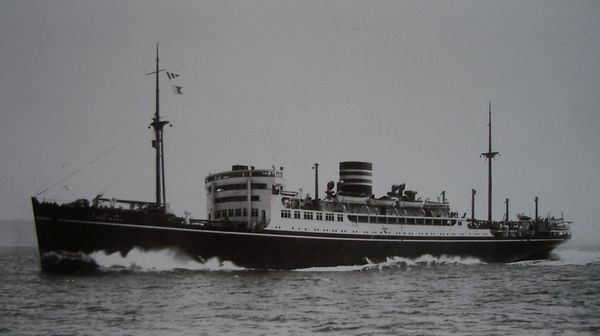
On my cruise last year around Japan, our final port of call was Yokohama for Tokyo. I expected us to dock at the cruise terminal near the Hikawa Maru, a retired ocean liner launched in 1929. Unfortunately, we did not, but that did not stop me from taking the chance to visit this historic ship.
Launched on 30 September 1929, and made her maiden voyage from Kobe to Seattle on 13 May 1930, Hikawa Maru was one of three motor ships built by NYK Line for the Pacific route. We are, in the Europe at least, much more familiar with the transatlantic liners sailing between Liverpool, Southampton, Le Harve and New York. But this important service between Japan and America ran a regular route at a slower pace, with smaller ships. She was nicknamed the Queen of the Pacific and known for her attentive service and excellent food. Hikawa Maru was built and remains in an Art Deco style.
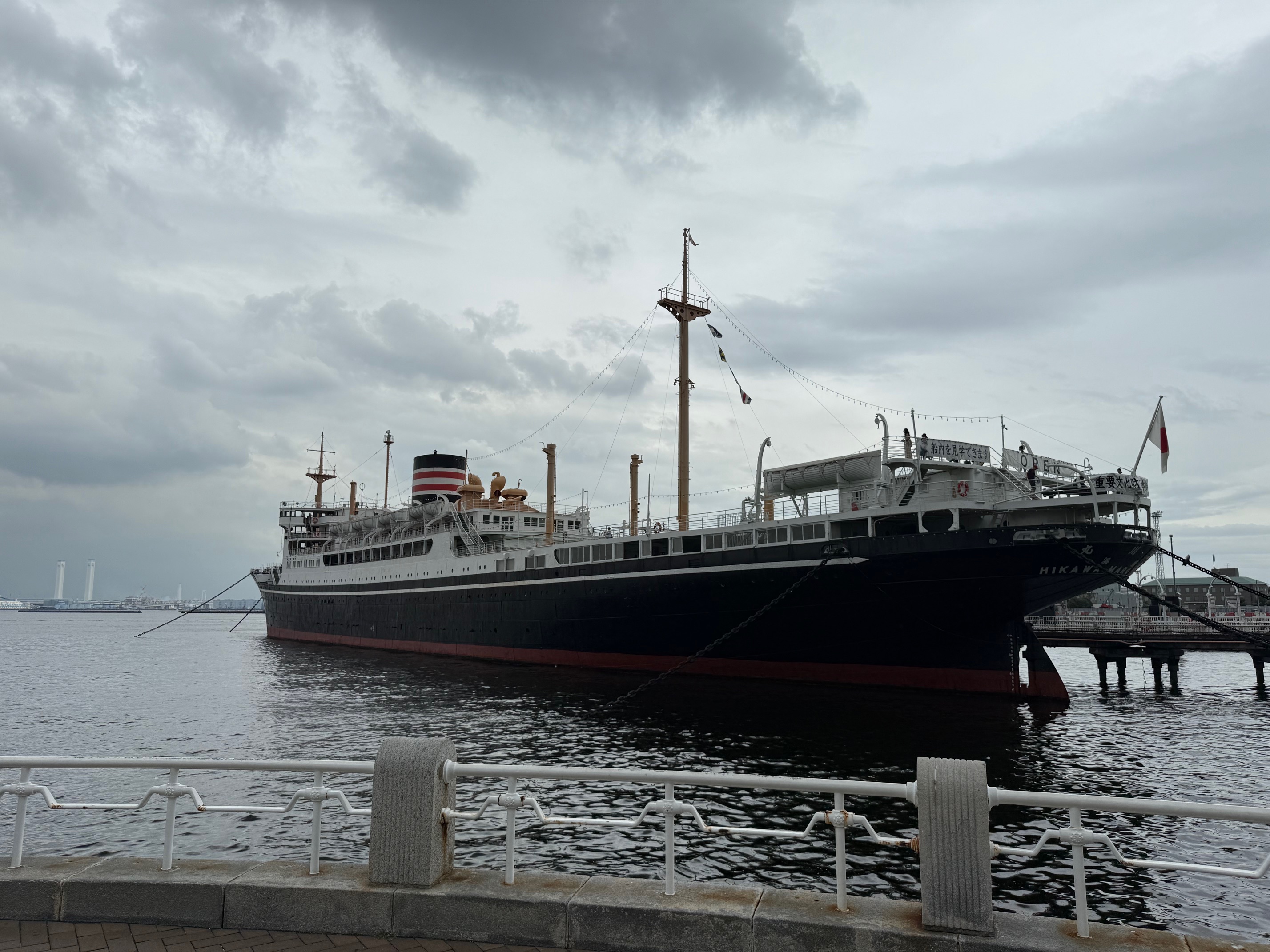
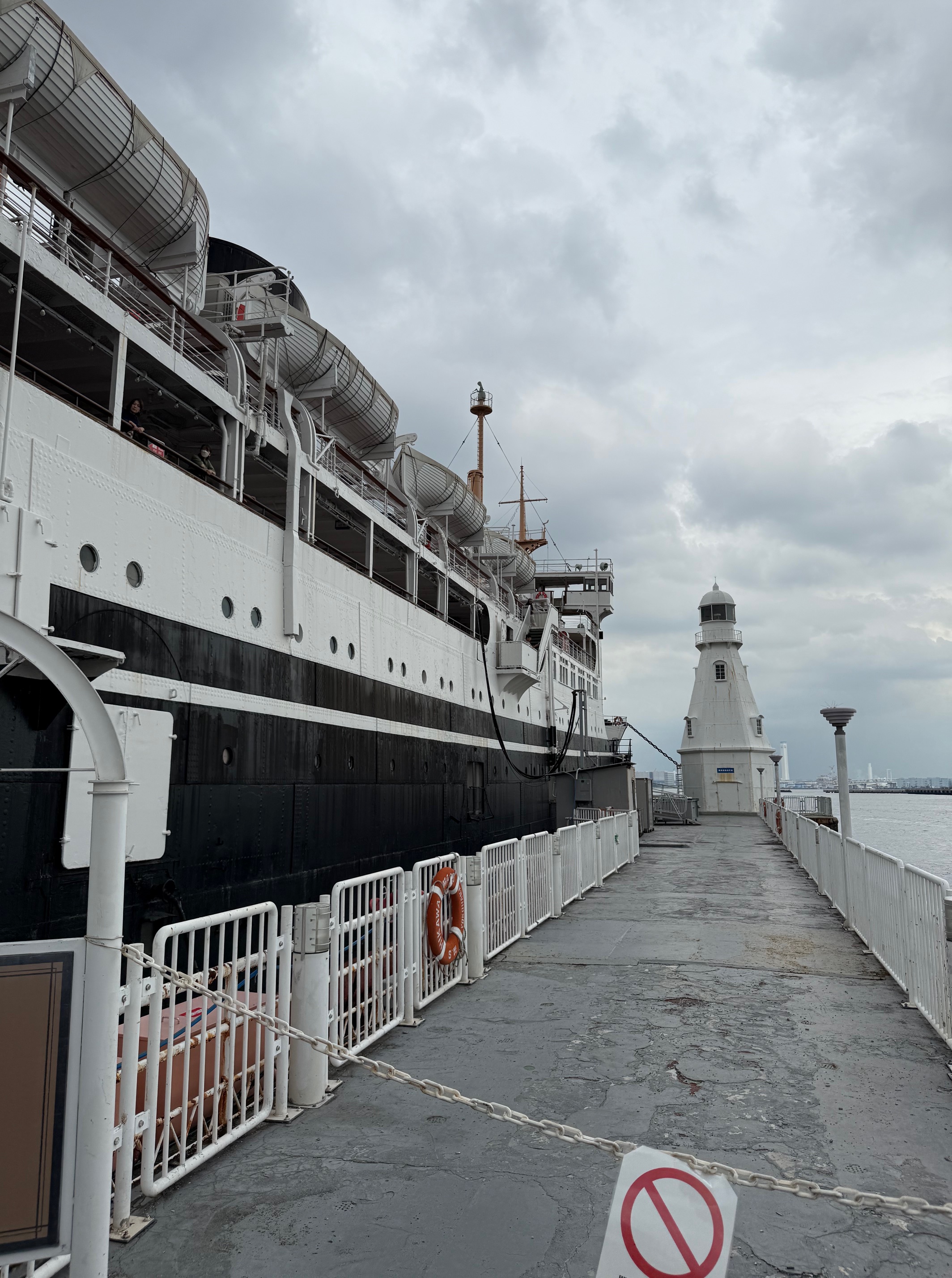
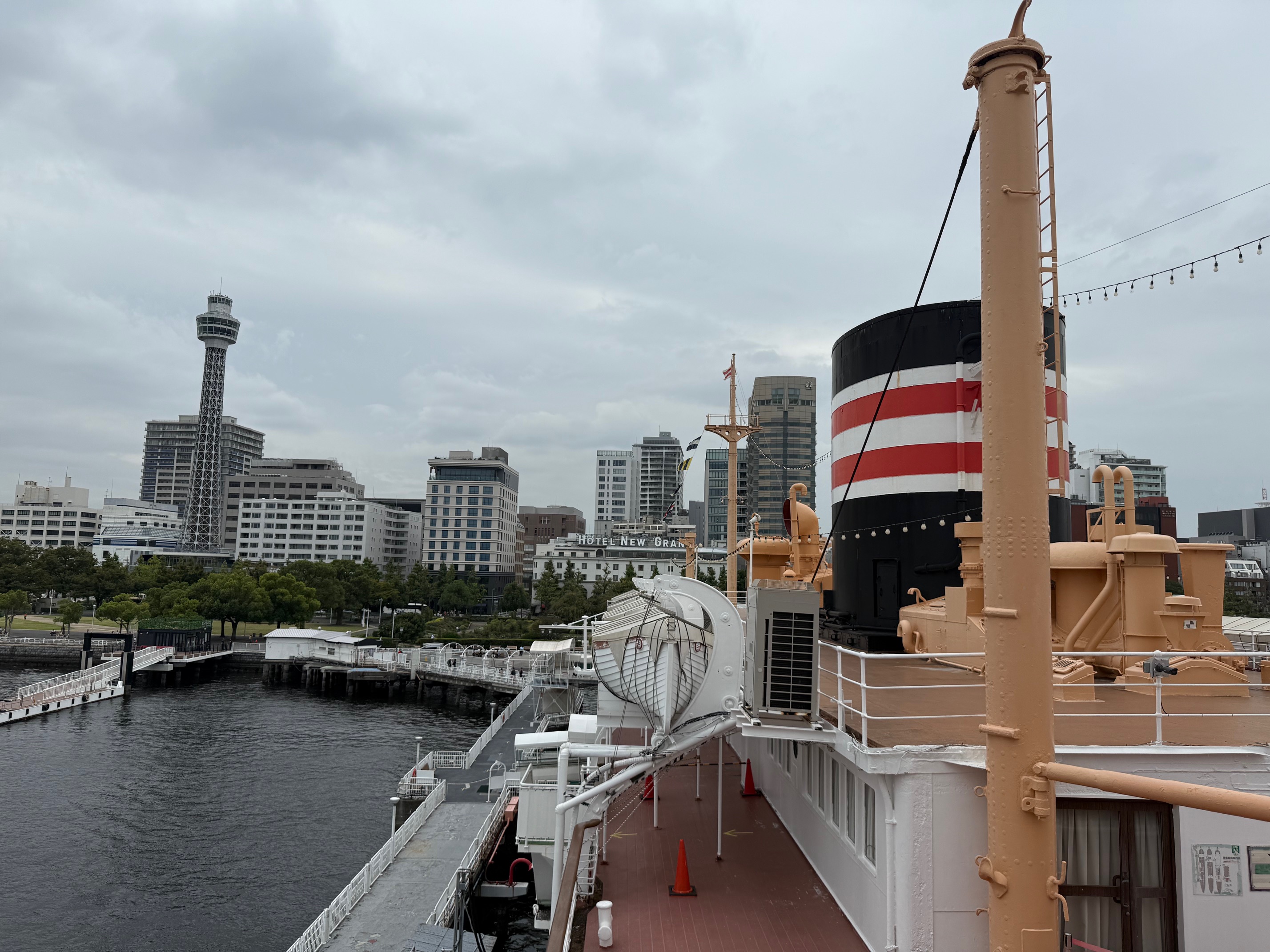
Hiwaka Maru has an interesting history, Charlie Chaplin sailed on her as part of his 1932 world tour. Hundreds of Jewish refugees fled to Canada and the United States before Japan entered the Second World War. This shipping route continued until October 1941. On 1 December 1941 a week prior to Japan’s attack on Pearl Harbour Hikawa Maru had begun to be converted into a Hospital Ship with work being completed three weeks later.
While a hospital ship she was damaged by mines three times and repaired on each occasion. At the end of the war when Japan surrendered on 15 August, Hikawa Maru was one of only two large Japanese passenger ships to have survived the war. The other being OSK’s Takasago Maru.
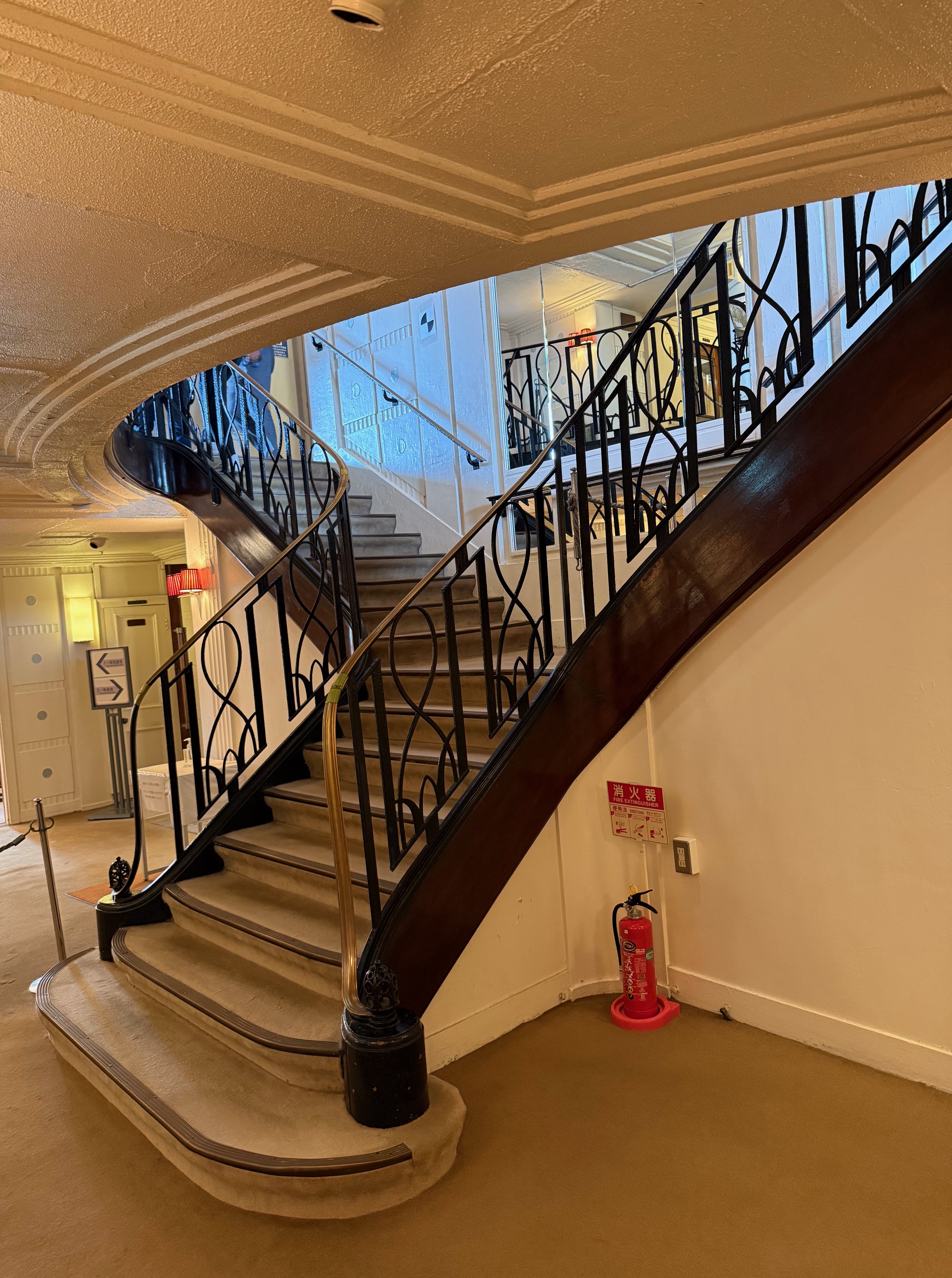
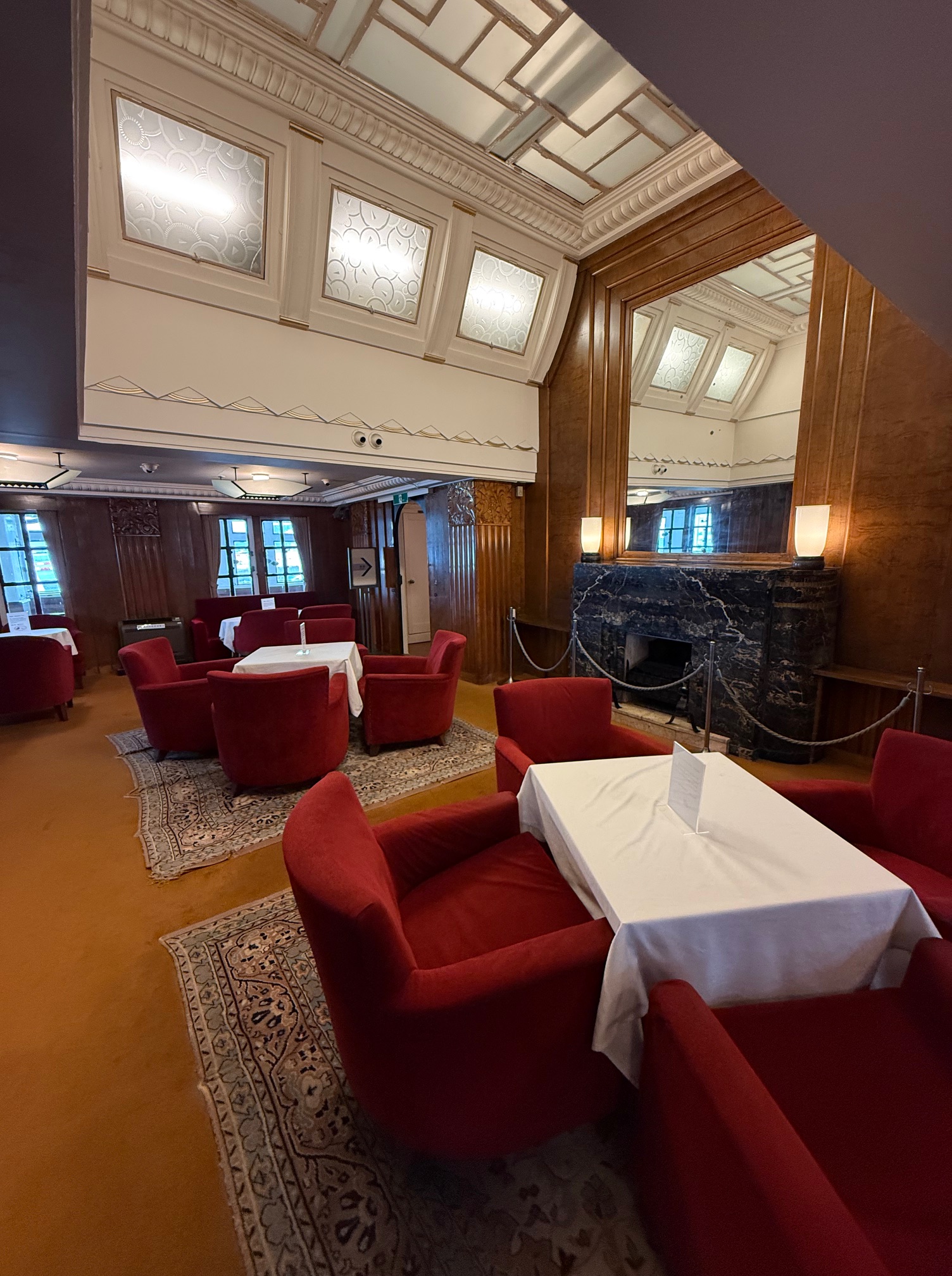
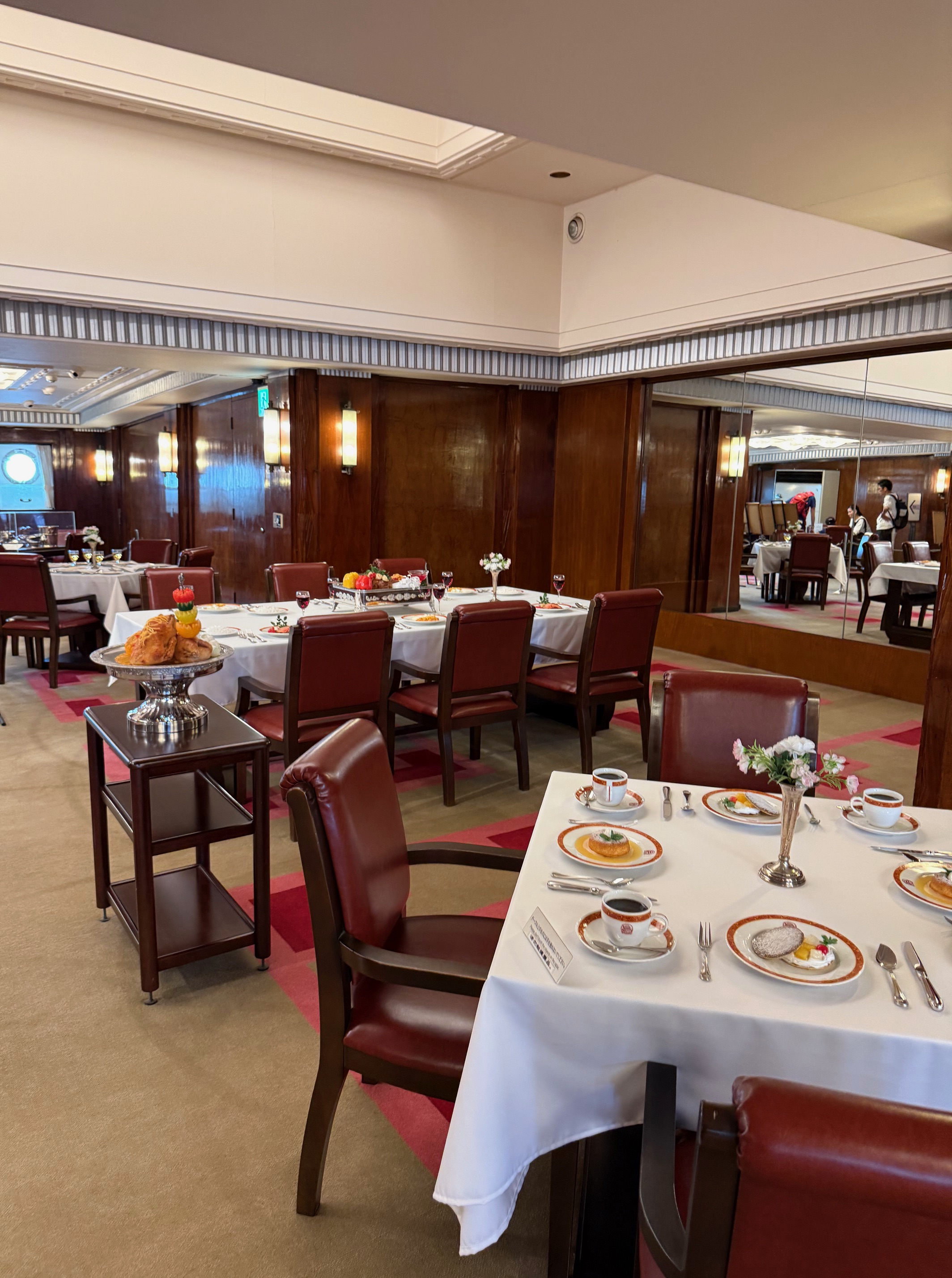
Post-war Hikawa Maru was used by the US occupying Shipping Control Authority for the Japanese Merchant Marine for repatriating Japanese soldiers. In 1947 she was returned to NYK, however, with ships at a shortage she was used for general cargo work until 1953. NYK had lost 172 ships during the war.
In 1953 she was refitted as an ocean liner and returned to her pre-war Yokohama-Seattle Route until 21 December 1960. In total, she conducted 238 voyages across the Pacific.
Following this, she was permanently berthed in Yokohama as a floating museum, hotel and restaurant. In 2005 her owners announced significant losses and in 2006, she closed. However, NYK Line underwrote her restoration and she was reopened in 2008.
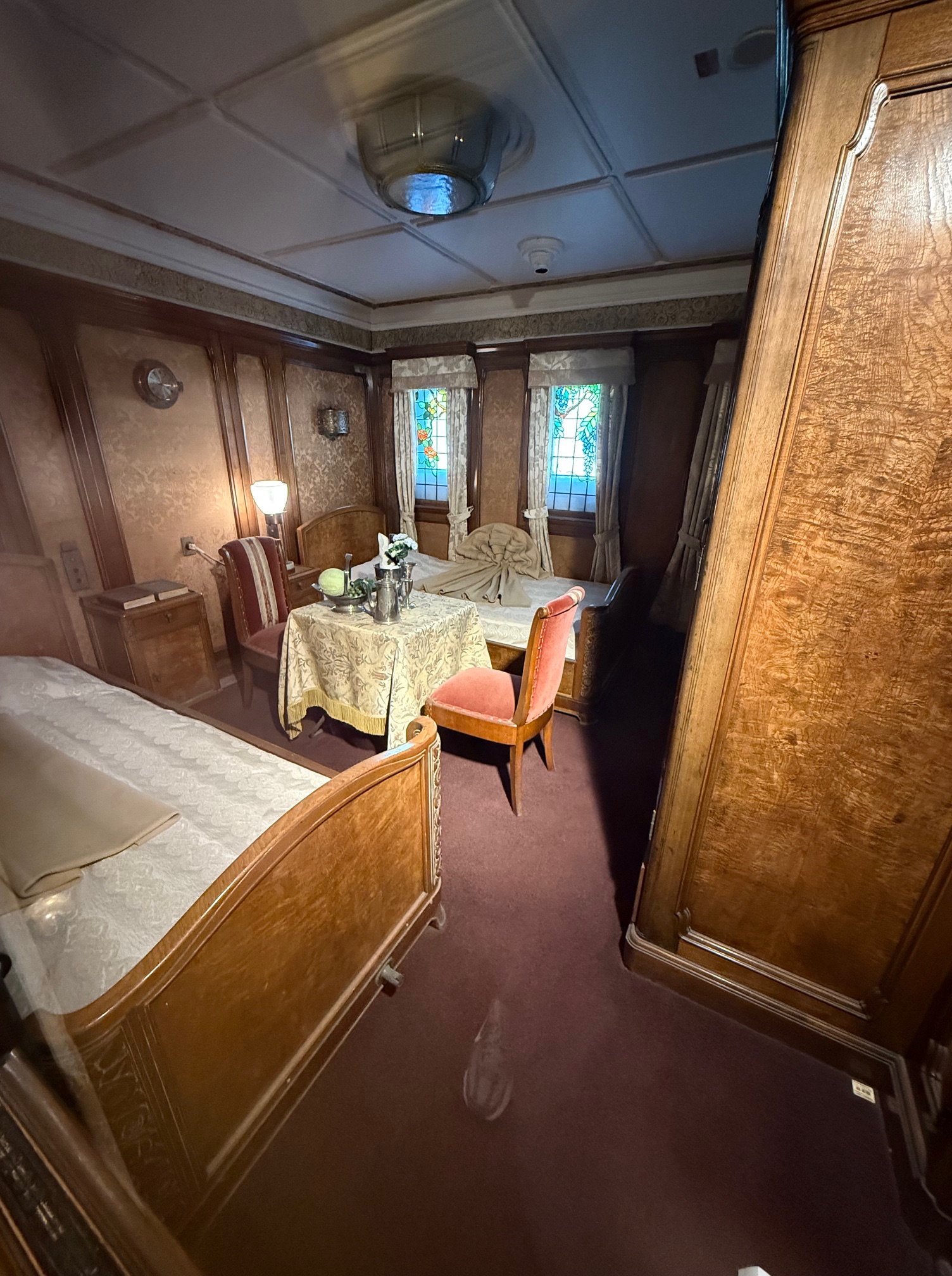
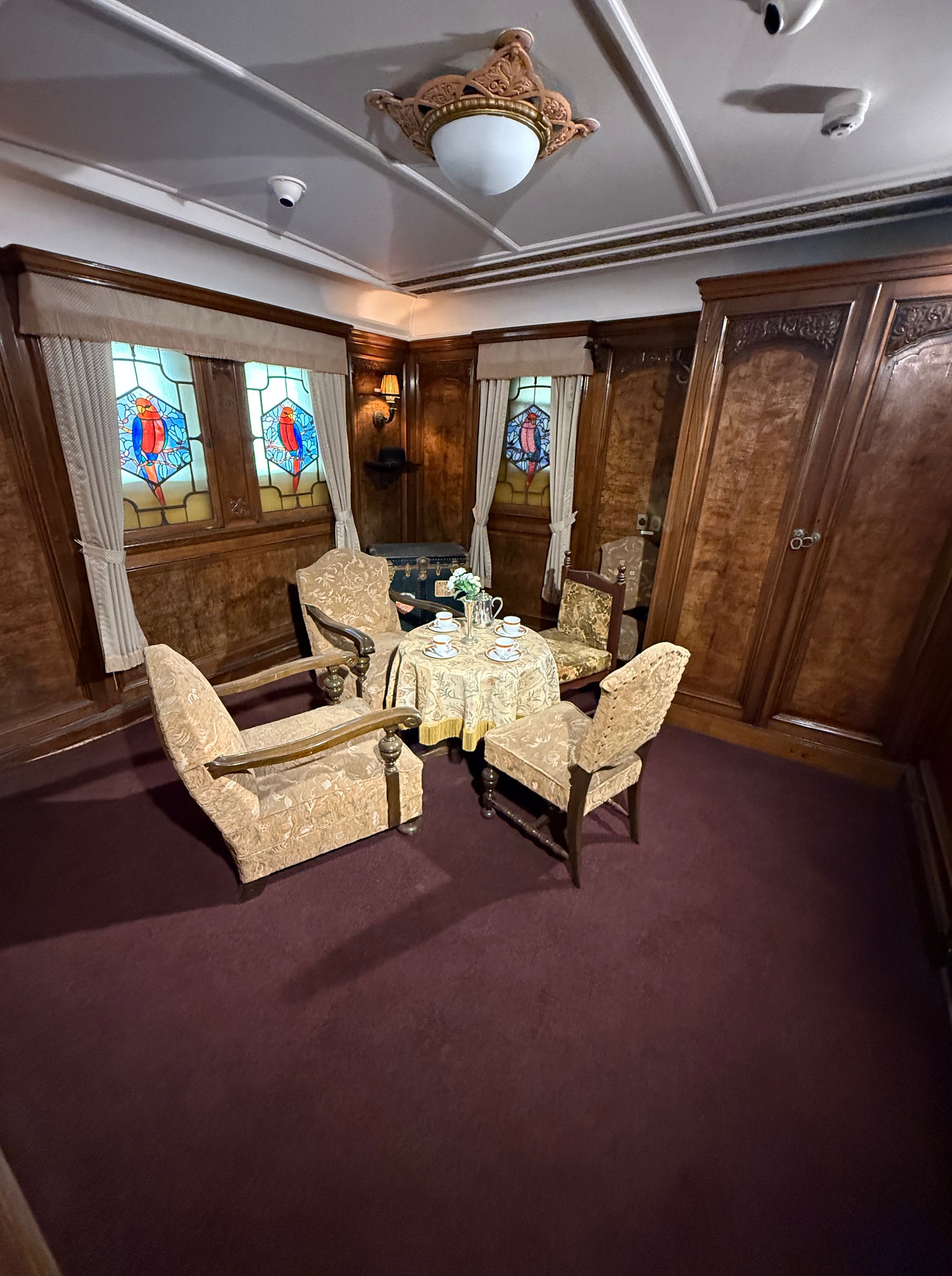
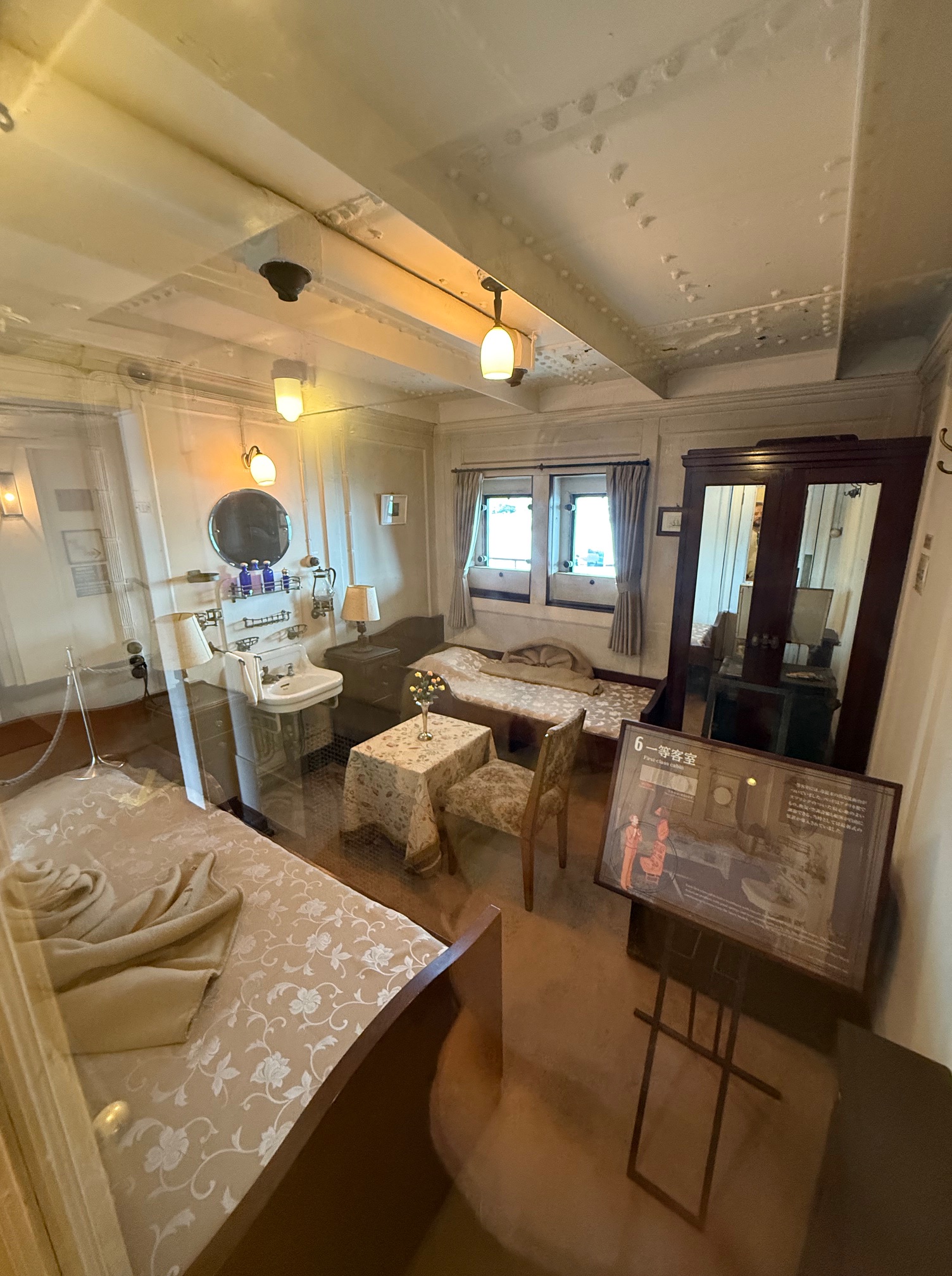
It would appear that very little has happened to the ship since 2008, however NYK has recently announced a review of the ship in order to preserve her for future generations. She has not been dry docked since 1961, which is miraculous in itself.
My visit was quite quick, and I spent an hour and a half looking around the ship. I always enjoy a bridge shot, but it was mostly interesting to see the array of public areas on the ship. They were smaller than I expected, with voyages taking around 13 days. I was expecting her to be larger than she is.
The tour around is self-guided and at your own pace, which suited me well in the circumstances. There are information boards around the ship and a clearly marked path. Admission requires you to pay in cash and adult tickets are 300 yen, which is around £1.50. It is important to note that we only had a card and had to find a nearby cash machine, which was a five-minute walk.
I was disappointed that there was no gift shop on board; I wanted all the Hikawa Maru souvenirs! She is very easy to get to from both Tokyo and Yokohama and is well worth a visit.
Final point – this is a ship which was launched only 17 years after the Titanic, that’s shorter than the time from Oasis of the Seas (2009) to the final Oasis class ship (2028).
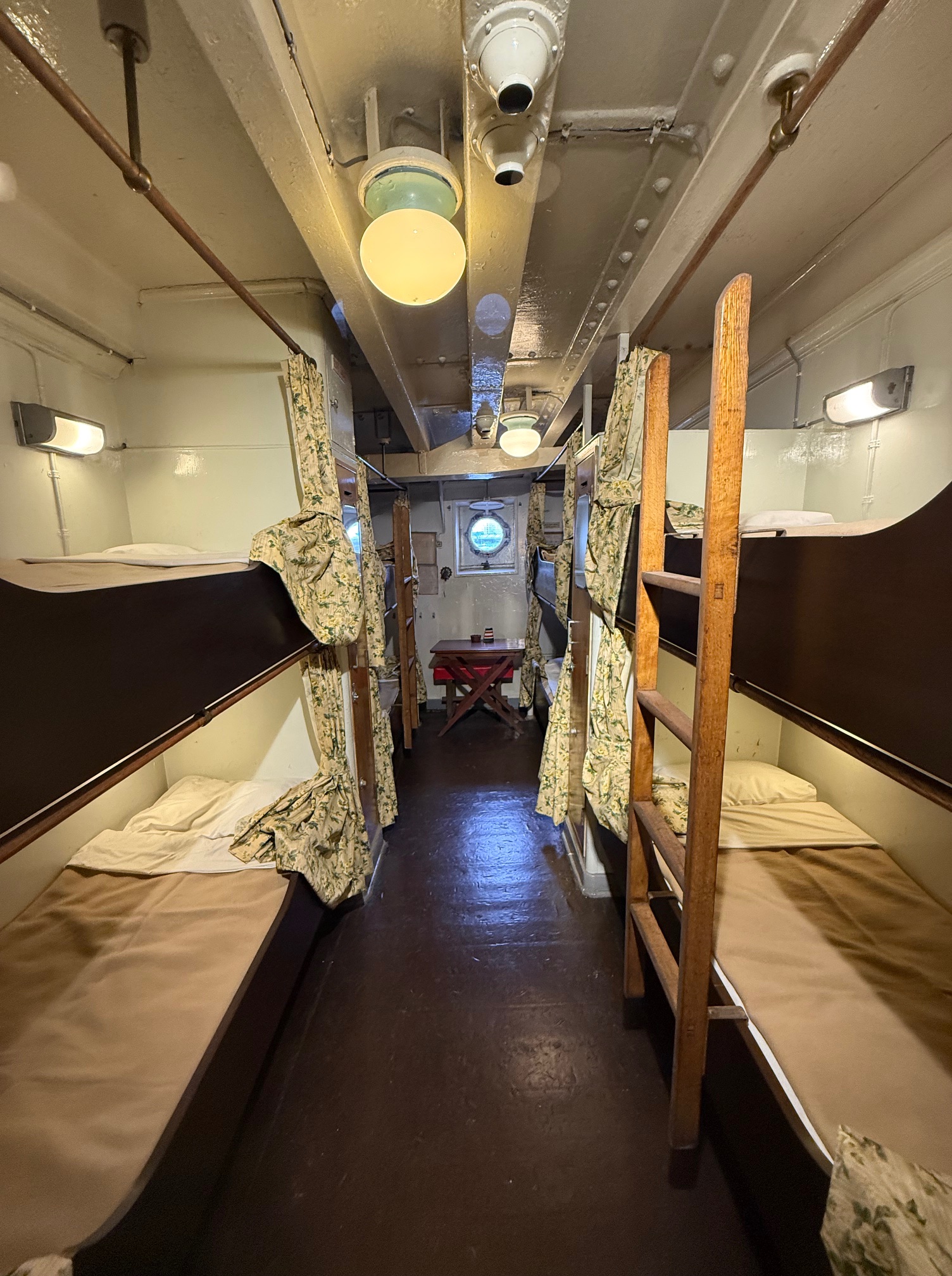
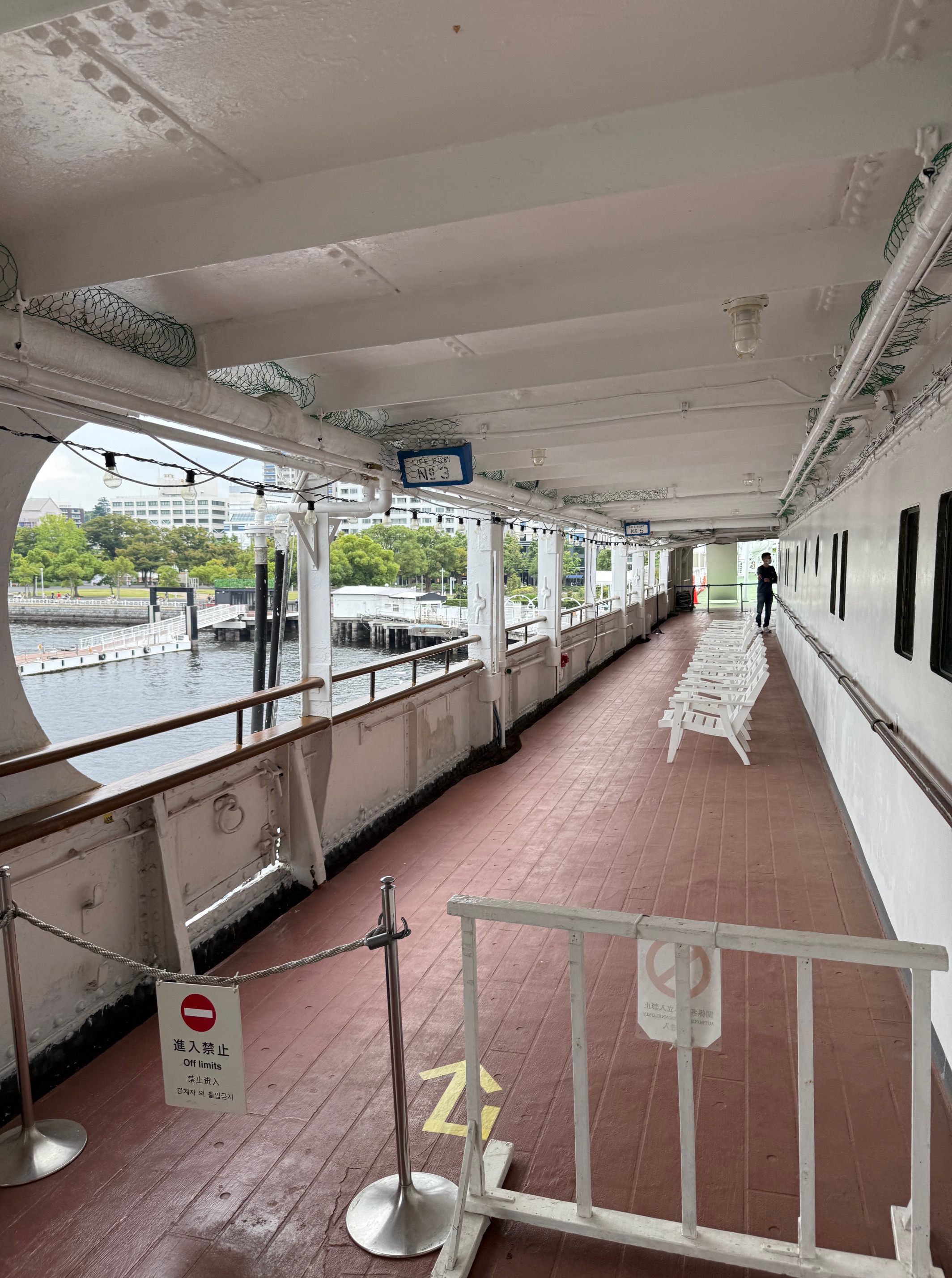
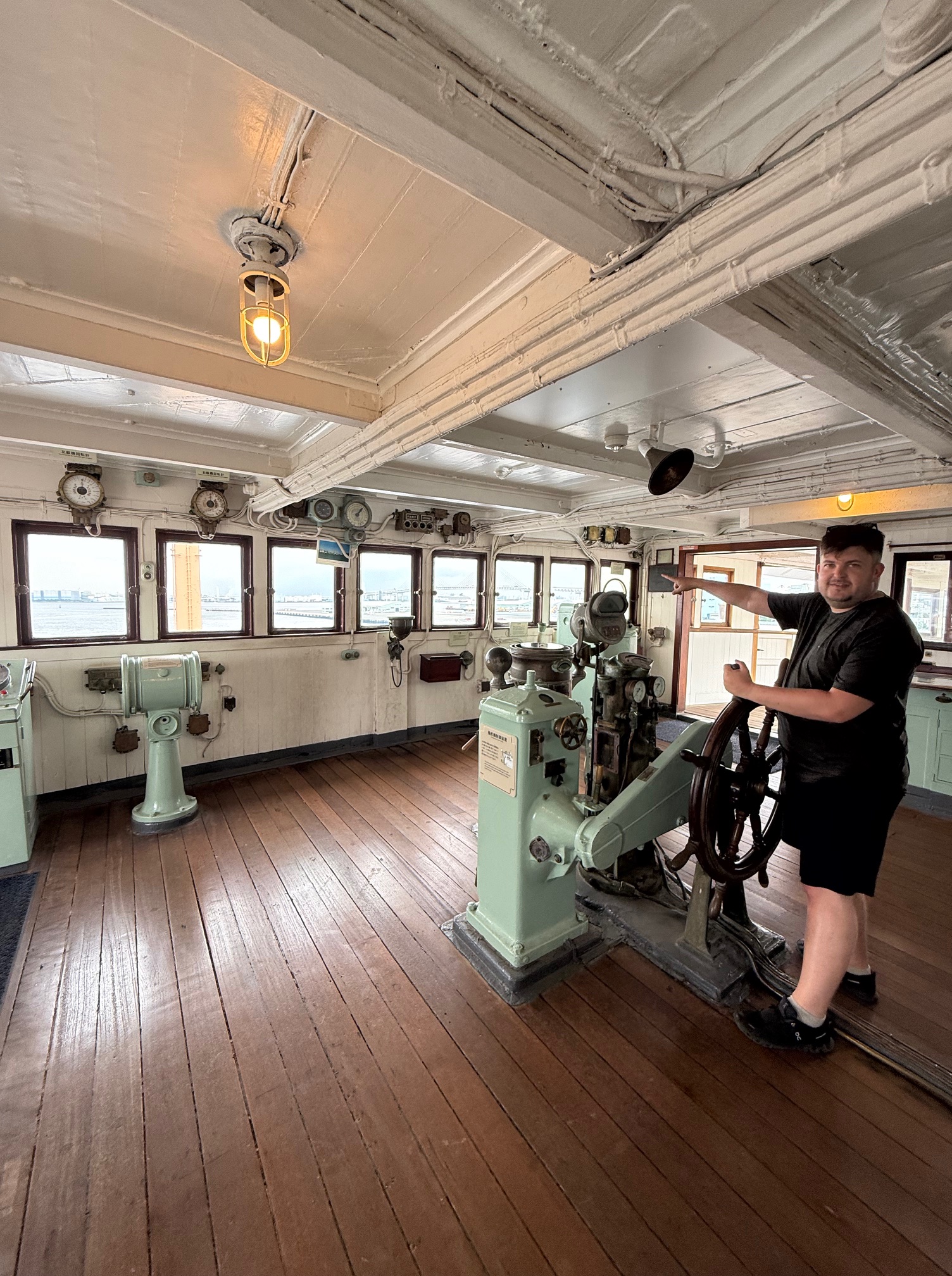
I enjoyed my time on Hikawa Maru and look forward to seeing how NYK restore her for future use in the coming years. Have you visited?
Thanks,
Liam
 CruiseOctopus.com